Is Dublin Safe at Night: A 5-Step Guide
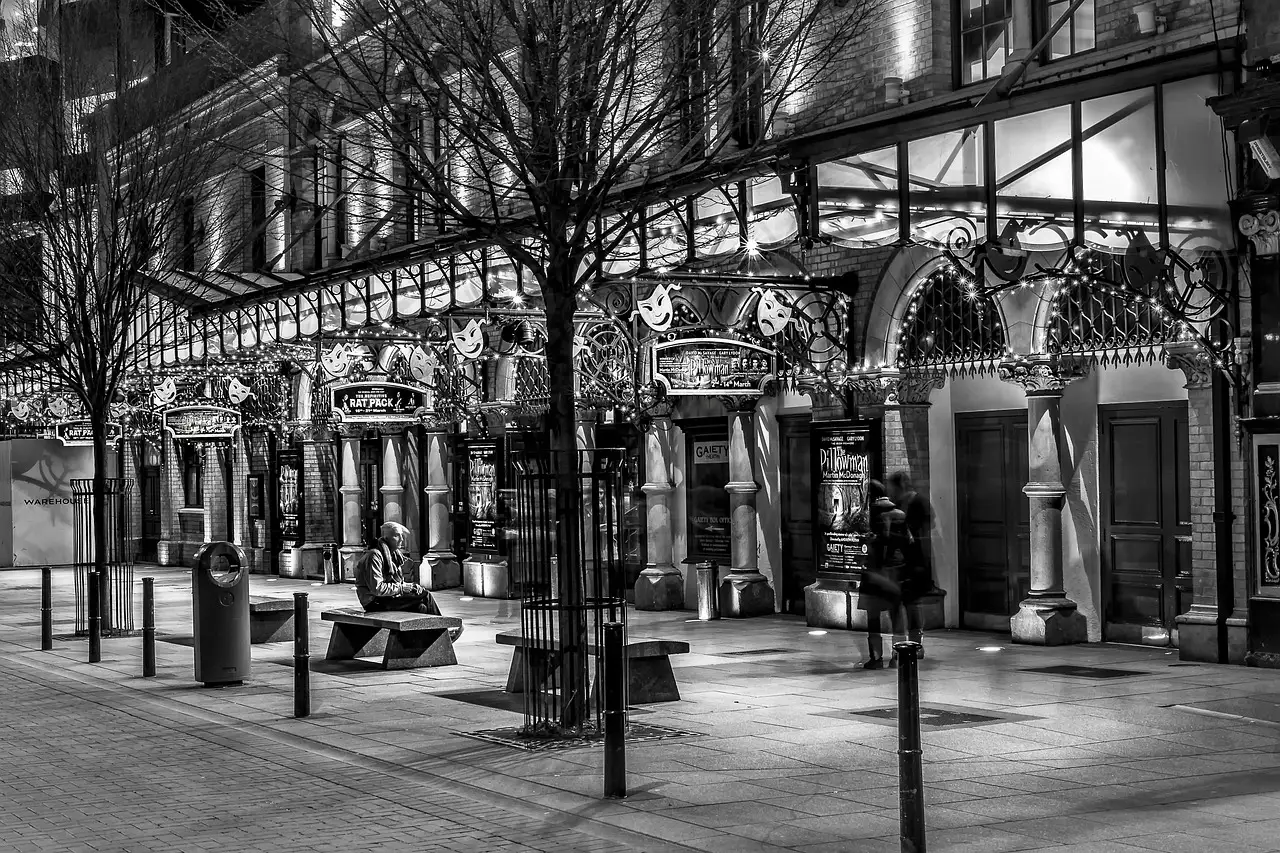
Dublin is safe at night for most visitors who take the same care they would in any large city. Official advice asks for ordinary care and a plan for getting home. The UK government asks visitors to Ireland to watch for pickpockets and bag-snatchers, and the Irish police number is 999 or 112. None of the pages read gives crime figures for Dublin at night, so this guide gives none. The steps below cover what the advice says, how to keep your things safe and how to get back to your hotel late.
Dublin is safe at night for most visitors, with the ordinary care any large city needs. This guide covers what the official advice says, where to spend the evening, how to keep your things safe and how to get home.
| Step | What to do | What to watch for |
|---|---|---|
| 1 | Read the official advice | No crime figures are published on the pages read |
| 2 | Choose busy, lit places | Phoenix Park side gates close around 22:45 |
| 3 | Keep your things safe | Pickpockets and bag-snatchers |
| 4 | Pick an evening plan | Pubs in Temple Bar stay open to 01:30 or 02:30 |
| 5 | Get home and plan tomorrow | Taxis cost more after 20:00 |
Step 1: Is Dublin safe at night? Read the official advice
Official advice asks for ordinary city care and does not warn visitors away from Dublin at night. The UK government's Ireland travel advice tells visitors to "take precautions to reduce the risk of bag-snatching or pickpocketing". It also says to avoid carrying valuables and large amounts of money. It notes that most incidents occur in the larger cities, and it asks you to stay aware of your surroundings at all times.
The Irish police, An Garda Síochána, give one clear line on their crime prevention page. In an emergency, call 999 or 112. Both numbers are free, and either works from a mobile phone.
None of the pages read for this guide gives crime figures for Dublin at night. They also name no streets to avoid. This guide therefore gives no ranking of areas. The only crimes the UK advice names for visitors are bag-snatching and pickpocketing, and it describes no scams. A night out costs money too, so it helps to set a budget early. The page on dublin on a budget shows what a typical trip costs.
Key Takeaway Call 999 or 112 in an emergency, and carry only the cash and cards you need for the evening.
Step 2: Choose busy, lit places
The safest habit is to spend the evening where other people are. Busy streets with open pubs, restaurants and theatres are the easiest places to feel at ease. Quiet side streets are harder, and nothing official says which ones to avoid. So judge each street as you would at home. In short, no official page says which Dublin areas need extra care after dark, so rely on how busy and lit a street is.
Parks are different after dark. Phoenix Park is open 24 hours a day, and its main gates at Parkgate Street and Castleknock stay open all night. The OPW, which runs the park, lists the side gates as open from about 07:00 to 22:45. After dark, a walk there is a poor plan, so save the park for daytime.
Late-night areas are also busy areas. The Temple Bar pub, for example, is open until 01:30 from Monday to Wednesday and until 02:30 from Thursday to Saturday, according to its own opening hours. Expect crowds and noise there at that hour. That is a reason to keep your bag closed and your phone in a front pocket.
Here is the evening in three parts.
A calm night out starts with a plan for the trip home.
Step 3: Keep your things safe
Most trouble for visitors is theft, so protect your phone, wallet and passport. The UK advice names bag-snatching and pickpocketing as the risks, and the pages read describe no scams. Here is what that means on the street.
- Carry a bag that zips shut, and wear it in front of you in a crowd.
- Keep your phone in a pocket you can feel, not on a pub table.
- Leave your passport at the hotel, and carry a photo of it on your phone instead.
- Take one card and a small amount of cash, not your whole wallet.
If you drink, drink slowly and watch your glass. Decide before the first round how you will get back. A late night is much easier when the ride home is already settled.
Pro Tip Set your hotel's address as a saved place on your phone before you go out, so you can show it to a taxi driver in seconds.
Step 4: Pick an evening plan that fits you
If you want company on your first night, a guided evening tour is the simplest plan. You walk or ride with a group, a guide leads, and the tour ends at a known spot. For more ideas, see Dublin at night, which covers shows, pubs and late opening hours.
In Things to Do in Dublin's count of GetYourGuide listings on 25 October 2026, 7 listings are ghost or haunted tours, from €13 to €51 per person. Three suit a first night. The Dublin Ghostbus tour is a 2 hour bus tour run by DoDublin, with live narration. It costs from €35 per person, rated 4.6 from 914 reviews, with free cancellation. The group is up to 38 people, it starts at the Dublin Bus office at 59 O'Connell Street Upper, and it is not suitable for children under 14 or wheelchair users. The price includes live on-board narration, and the page lists nothing as not included.
For a walk, the Legends, Ghosts and Ghouls walking tour is run by Alternative Dublin. It lasts 2 hours and costs from €14 per person, rated 4.8 from 13 reviews, with free cancellation. The group is up to 30 people and it starts at Merrion Square South. It includes a guide and tips for Dublin, and the page lists nothing as not included.
The Ghosts and Haunted Stories tour is run by MP Tour Guiding. It is a 2 hour evening walk in French for up to 15 people, from €51 per person, rated 4.9 from 56 reviews, with free cancellation. It starts at the Wolfe Tone sculpture at St Stephen's Green and is not suitable for wheelchair users. No entry fees are included.
Prices and ratings as shown on GetYourGuide on 25 October 2026.
Doing it yourself is enough if you stay on busy streets and know your way home. A tour helps if you want company and a set route, because the guide leads and the group stays together. A tour is not a safety measure. It is a way to spend a first evening with a guide and a group, and you can still do the same walk alone. If you prefer a quiet night, a late dinner near your hotel works just as well.
Step 5: Get home late and plan tomorrow
Getting home late is simple if you choose your ride before you leave. Nitelink is Dublin Bus's late service. It costs €2.40 for an adult with a Leap card and €3.10 in cash, according to Transport for Ireland's bus fares page. You cannot tap a bank card on Dublin Bus, Luas or DART, so top up a Leap card or carry cash. The page does not list Nitelink times, and no official page read publishes them here, so check the timetable for your route before you go out.
A taxi costs more after 20:00. Transport for Ireland's taxi fares page sets a premium rate at those hours, with an initial charge of €5.40. A special rate applies from midnight to 04:00 on Saturdays and Sundays. These are maximum fares. Ask for a printed receipt, which taxi operators must give you, and keep it.
The FREENOW app also books licensed Dublin taxis, and it shows you the car before you get in. Always check that the car and driver match the booking.
Once you are back, plan the next day while you rest. A good Dublin itinerary puts the big sights in daylight, which leaves the evenings for easy plans like these.
There is one limit to this guide. It shares official advice and transport facts, not crime figures, and no source can promise a trouble-free night. If you feel unsure on a street, walk into a busy pub or shop and call a taxi.
Spend a first evening with a guide
Doing it yourself is enough if you are happy to walk busy streets and plan your own trip home; a guided evening tour helps if you want a group and a fixed route on your first night. The tours below are for company, not safety. The walking tour is from €14 per person, the Ghostbus tour from €35 per person and the French-language walking tour from €51 per person, all with free cancellation as checked on GetYourGuide. Each lasts 2 hours and starts at a fixed meeting point, which Step 4 lists.
-
Dublin Ghostbus tour
from €35 per person
A 2 hour evening tour on a bus with a guide, run by DoDublin, with live on-board narration, for a first night in a group.
2 hours 4.6 (914 reviews) Free cancellation
Run by DoDublin · not suitable for children under 14, wheelchair users
Check availability: Dublin Ghostbus tour on GetYourGuide -
Legends, Ghosts and Ghouls walking tour
from €14 per person
A 2 hour evening walk in a group of up to 30, from €14 per person, run by Alternative Dublin, with a guide and tips for Dublin.
2 hours 4.8 (13 reviews) Free cancellation
Run by Alternative Dublin
Check availability: Legends, Ghosts and Ghouls walking tour on GetYourGuide -
Ghosts and Haunted Stories walking tour in French
from €51 per person
A small evening walk of up to 15 people, guided in French, run by MP Tour Guiding, with no entry fees included.
2 hours 4.9 (56 reviews) Free cancellation
Run by MP Tour Guiding · not suitable for wheelchair users
Check availability: Ghosts and Haunted Stories walking tour in French on GetYourGuide
Prices and ratings as shown on GetYourGuide on 25 October 2026.
a day-by-day Dublin itineraryFAQ
Is Dublin safe at night?
Is Dublin safe for tourists?
Is it safe to walk in Dublin at night?
How safe is Dublin for tourists?
Conclusion
Dublin at night asks for the same care as any big city. Stay in busy, lit streets, keep your phone and wallet out of sight, and decide how you will get home before your first drink. Know that Nitelink runs late and that a taxi costs more after 20:00. Then plan your first evening so it ends with a short, easy trip back.
Related guides
Sources
- UK Foreign, Commonwealth and Development Office, Ireland travel advice: Safety and security (2026), last checked 25 October 2026
- An Garda Síochána, Crime Prevention (2026), last checked 25 October 2026
- Transport for Ireland, Bus fares (2026), last checked 25 October 2026
- Transport for Ireland, Taxi fares (2026), last checked 25 October 2026
- The Temple Bar Pub, Opening hours (2026), last checked 25 October 2026